 Case Studies
Umumiy_uz Case Study: Odoo Implementation for a Distribution Company in Uzbekistan and +7–9% Profit Growth
This case study shows how we implemented Odoo for Umumiy_uz and unified: product cost & margin visibility, customer hist...

Celion is building a Telegram bot for a client that detects critically low performance in Meta ads before the owner has to ask. Until now, the business owner monitored the campaigns personally. He was also the one who noticed that one campaign had slowed sharply and asked for its audience and campaign settings to be reviewed. That led to a clear business goal: at least 100 leads per day.
This monitoring is now being handed over to a research bot in Telegram. The bot regularly checks advertising data, identifies underperforming campaigns, and indicates whether the problem may lie with the audience or the way the campaign was configured. The owner no longer has to hunt for the problem first. The investigation starts with the campaign and likely cause identified by the bot.
Previously, monitoring depended on the owner paying attention. He noticed that one campaign was performing at a critically low level and asked for the cause to be investigated.
The problem was not a lack of reporting. The problem was that the owner had to be the first to look for the issue. Unless he raised the alarm, potential weaknesses in audience fit or campaign settings were not investigated separately.
We are adapting the research bot—one of the client’s three Telegram bots—to monitor advertising campaigns independently. It flags critically low performance and shows the owner what needs to be checked.
The bot does not change the ad settings. It reads Meta data and reports the issues it detects. The final decision remains with the owner.
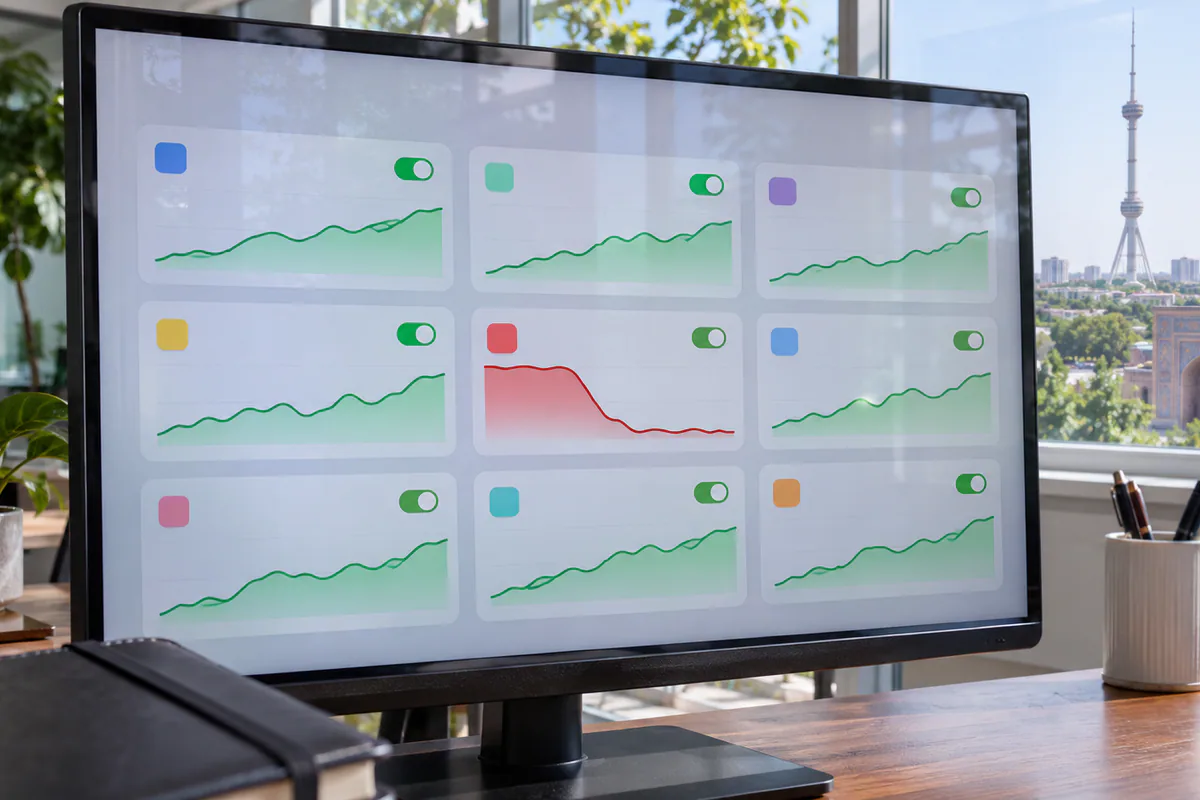
The client’s clarified business goal is at least 100 leads per day. This benchmark replaces the vague judgment that “performance is low” with a clear threshold. It is understood the same way in both manual monitoring and the bot’s checks.
The project is ongoing. Approximately 170 engineering hours have been allocated to it. Once the work is complete, the owner will no longer search manually for underperforming campaigns. The investigation will begin with the problem and likely cause identified by the bot.

Do not wait until you have to find an underperforming campaign yourself. If you need this kind of monitoring, contact Celion. We will build the process around your business goal and the advertising channel you use.
Callback
Leave your details and we will contact you shortly.
Become a Partner
Leave your contact details and we will get back to you shortly.
Order Service
Leave your phone number and we will contact you shortly.