
Defensive-only
We protect and harden — never offensive-for-hire work.
Ethical hackers safely attack your systems like a real adversary, then hand you the exact holes and fixes. We assess and harden your systems: clear findings, real fixes and reporting in business language.
A pentest doesn’t just list theoretical issues — ethical hackers actually exploit them like an attacker, proving what’s truly reachable and what isn’t.
One partner from assessment to a hardened, monitored system.
We protect and harden — never offensive-for-hire work.
Risk in impact terms, for both engineers and management.
We help remediate and re-test, not just hand over a list.
Safe, scoped testing that respects live systems.
Findings mapped to ISO 27001, PCI-DSS and GDPR.
Verification and ongoing MDR monitoring available.
Three gaps this service closes
A list of “maybes” doesn’t prove real exposure.
Attackers chain small bugs into a full breach.
Internal systems get breached too.
Brands that trust Celion.
















Guides and insights to help you get more from your website.
Students in Uzbekistan should check their eligibility for the Gemini offer through AI Leaders and Google. Before activating the subscription, read the plan name, payment requirements, and auto-renewal terms.
Gemini for students in Uzbekistan has been announced, but being a student alone does not guarantee access. Eligibility is confirmed through AI Leaders/Google and after student verification. Before treating it a...
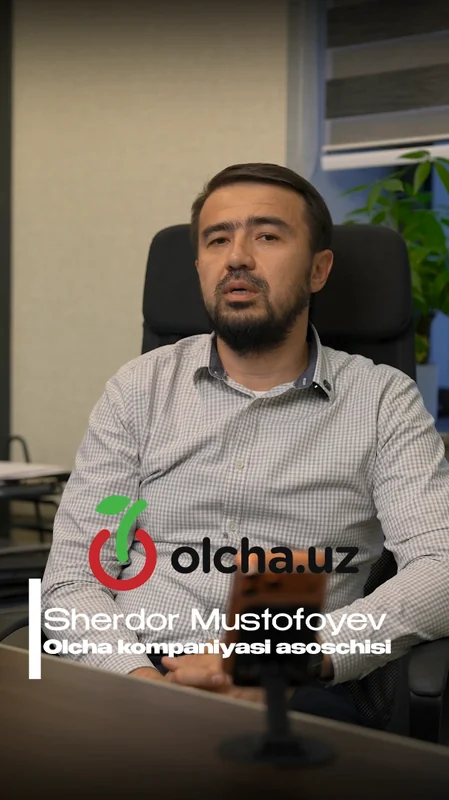
Real stories from the businesses we work for.

A scan automatically lists known weaknesses. A pentest goes further — ethical hackers actively exploit them to prove real business impact and show exactly how far an attacker could get.
Callback
Leave your details and we will contact you shortly.
Become a Partner
Leave your contact details and we will get back to you shortly.
Order Service
Leave your phone number and we will contact you shortly.