 Case Studies
Umumiy_uz Case Study: Odoo Implementation for a Distribution Company in Uzbekistan and +7–9% Profit Growth
This case study shows how we implemented Odoo for Umumiy_uz and unified: product cost & margin visibility, customer hist...
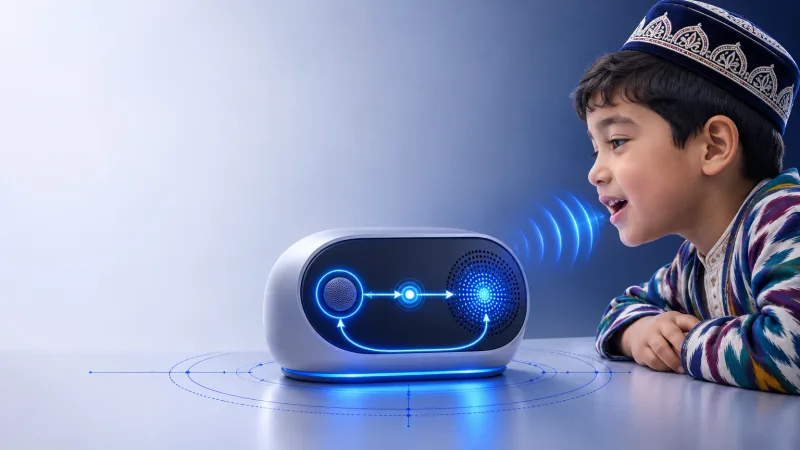
Jarvis can now understand children speaking Uzbek and respond in the Saodat voice. The client uses this solution to help children practice their speech. The project’s goal was to replace OpenAI GPT-Live with NeuronAI while preserving the existing live conversation experience.
Once the child finishes speaking, Jarvis first plays a short sound to show that it heard them, then begins its response. The wait before this sound was reduced from 2,25 seconds to 1,28 seconds. The actual response begins approximately 1,5–1,7 seconds after the child stops speaking.
In speech practice, a good answer alone is not enough. If Jarvis remains silent for too long after the child finishes speaking, it can feel as though the conversation has been interrupted.
That is why the team did not focus on the response content alone. They also improved the timing of both the short acknowledgment sound and the response that follows it.
Jarvis was migrated from OpenAI GPT-Live to NeuronAI. The new solution recognizes Uzbek speech, prepares a response, and delivers it in the Saodat voice. If the primary response path fails, a fallback path takes over.
The previous service was discontinued, but the option to return to it when necessary was retained. Approximately 123 engineering hours were allocated to the project.
The team also tested publicly available, ready-made solutions that convert Uzbek speech directly into a spoken response. In the products they found, the process was divided into three parts: listening to the speech, preparing a response, and reading it aloud.
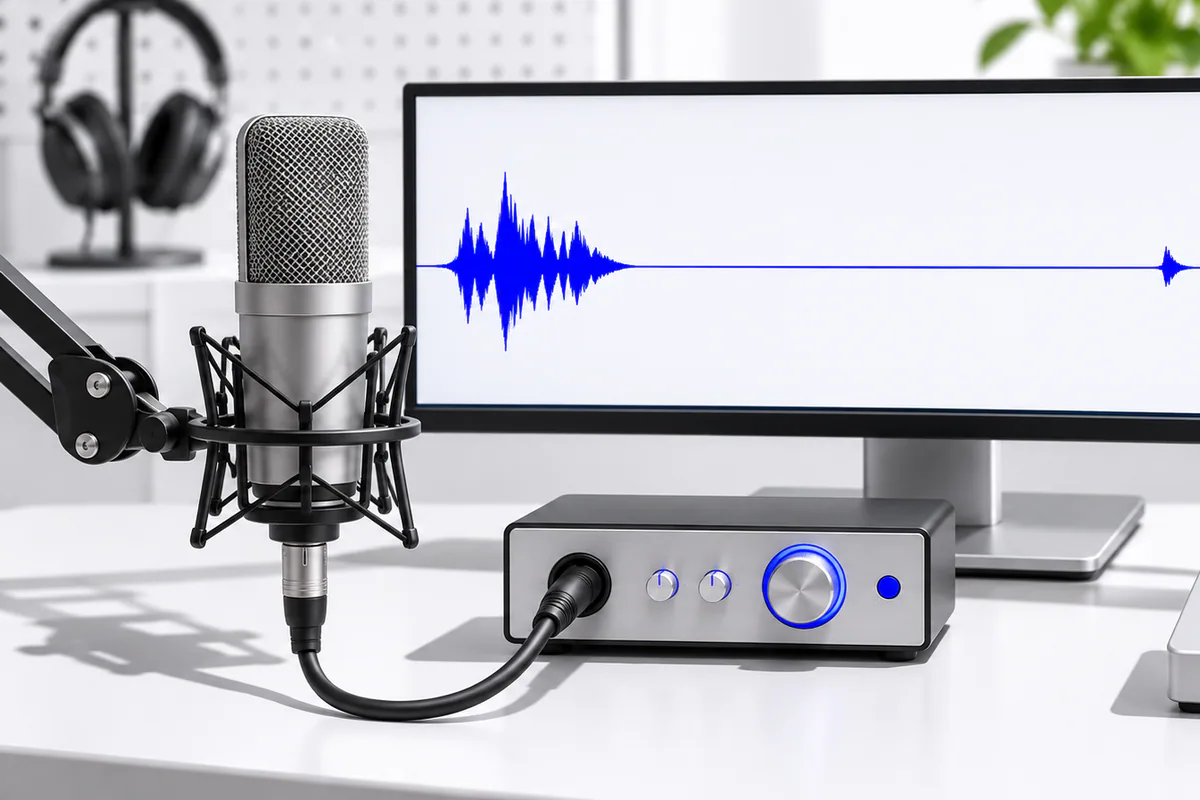
The complex process remains invisible to the user. For the child, it is still just a simple conversation.
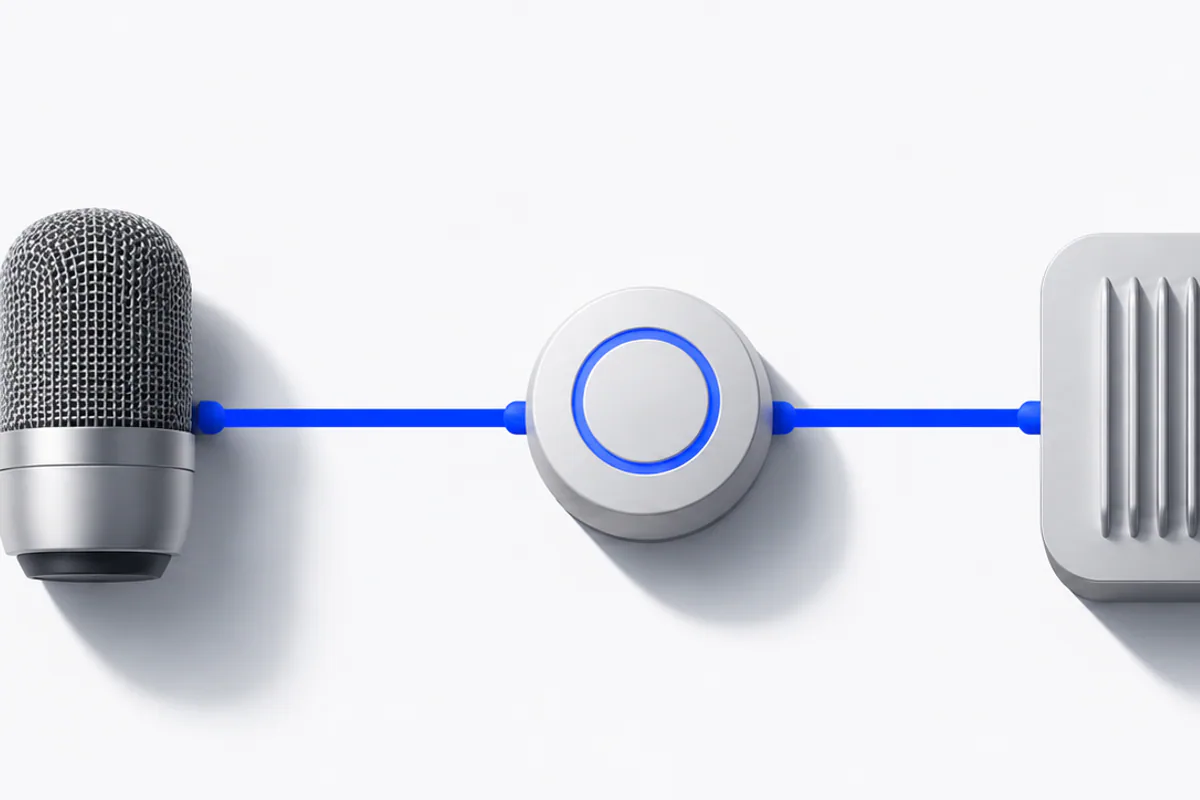
This project offers three practical takeaways for product owners working on voice-based conversations.
If your product needs voice conversations in Uzbek, faster responses, or a clear acknowledgment cue, contact Celion.
Callback
Leave your details and we will contact you shortly.
Become a Partner
Leave your contact details and we will get back to you shortly.
Order Service
Leave your phone number and we will contact you shortly.