 Web & Software Development
How Celion Builds a Website: From First Message to Launch
Celion builds websites not as decoration, but for a business purpose: we map the customer journey, add security from the...

The lesson from the GTA 6 release is simple: announcing a public date does not mean the product is ready. Before marketing begins, measurable requirements must be set for load, security, external services, and rollback.
This rule does not apply only to games that generate billions of dollars. An online store in Tashkent, a distributor taking orders through Telegram, or a service company launching a new customer portal can face the same problem: advertising brings people in, but the system cannot process their orders. GTA 6 operates on a different scale, but its software lesson is just as relevant to local businesses.
The global release of GTA VI began on November 18, 2026, with activation in some regions scheduled for November 19. Rockstar’s official schedule listed exact times by platform and region.
Before that, the project had been moved from fall 2025 to May 26, 2026, and then to November 19. Rockstar said it needed more time for additional polish but did not disclose internal bugs, team size, or test results. Linking the delay to any specific technical issue would therefore be unsupported speculation.
The business takeaway is clear: a launch date is not a box on a calendar but a set of technical criteria that must be met. If a critical payment bug remains unresolved, server capacity has not been tested, or rollback to the previous version has not been verified, the arrival of the date is not sufficient reason to release the product.
That is why, before asking “When will we launch?” you should ask, “What results must we achieve before we approve the launch?” The difference in wording is small. The difference in decision-making is significant: this approach reduces the risk of using a major advertising campaign to push a product that does not work into the public eye.
A local business may not receive traffic on the scale of GTA 6, but failures surface in the same way. An Instagram or Facebook campaign goes live, people visit the website, and orders arrive late in 1C or the CRM. The customer thinks, “The server is slow.” In reality, queues may be backed up, an integration may have failed, or data may have been left in conflicting states across different systems.
The most expensive problem is often not server capacity but recovery after a failure. A payment goes through, but no order is created. A Telegram bot sends a confirmation, but the inventory count does not decrease. The customer tries again, and two transactions appear. Rolling back to the previous version may be possible, but restoring the data to the correct state requires a separate plan.
Payment infrastructure is expanding as well. According to the Central Bank, Google Pay launched on October 27, 2026, for supported Visa and Mastercard cards, while Apple Pay support for UZCARD and HUMO began on November 17. An integration like this does not end with adding a button to the screen. Tokens, canceled transactions, duplicate requests, and provider outages must all be tested.
Postponing security until the next release is also a mistake. Uzbekistan’s Cybersecurity Center reported that 415 incidents in the .UZ domain zone were resolved and 2 504 phishing sites were blocked during the first nine months of 2026. Some of the traffic arriving at a new product will include people trying to attack it.

A product should be released publicly only after all the following gates have been cleared. “The team is ready” and “It is almost finished” are not verifiable criteria. Every item must have a defined outcome and a responsible owner.
For a manager, the decision formula is simple: release readiness = a working critical path + controlled failure + verified recovery. If any one of these three elements is missing, do not increase the advertising budget.
Not every product needs a major one-day launch. If an internal CRM, warehouse module, or operator dashboard can be enabled gradually by department, opening it to everyone at once creates unnecessary risk. Forcing every employee to adopt such a system on the same day is not the right decision.
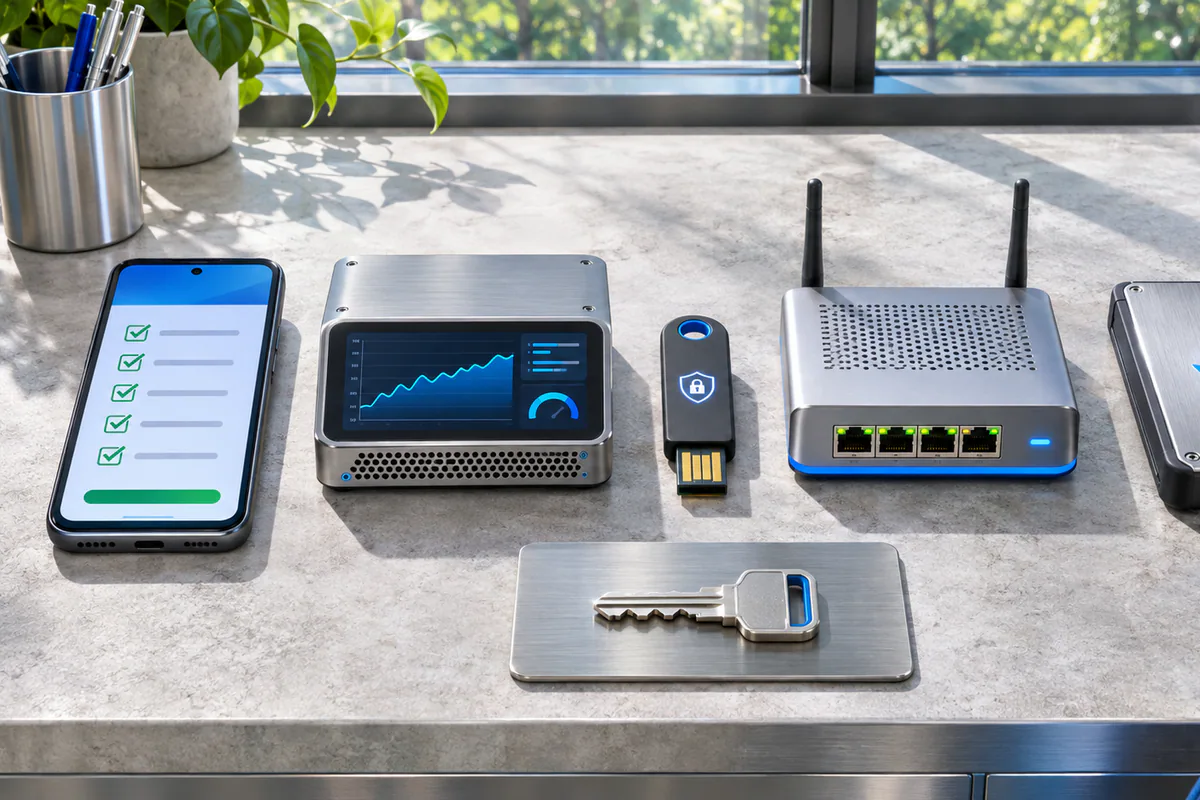
The similarity between GTA 6 and a local business is not the budget but the discipline required for launch. A website or app may be small, but the business is still responsible for customer payments, order statuses, and personal data.
At Celion, we do not treat this kind of work as web development alone. Requirements must be tied to the user’s critical path, integrations must be planned in advance, and rollback procedures must be included in the product plan. How a request from Telegram enters the CRM, or how inventory in 1C changes after a payment is confirmed, must be defined before the design mockups.
The rule is simple: if it is not documented who can stop a failing release, which metric triggers an alert, and how data will be restored, the product is not ready for public launch. Answer those three questions first. Set the presentation date afterward.
Through Celion’s web development and systems integration services, we can establish clear launch criteria, load testing, and a recovery plan for your website, app, or business platform.
Callback
Leave your details and we will contact you shortly.
Become a Partner
Leave your contact details and we will get back to you shortly.
Order Service
Leave your phone number and we will contact you shortly.