 AI
What Is AI Implementation for Businesses in Uzbekistan?
AI implementation is not adding a chatbot. It is embedding intelligent agents into real business workflows - lead qualif...
Nvidia’s leadership change will not suddenly throw the AI industry off course. But it may change how major infrastructure projects approach costs and risk. On November 11, 2026, co-founder Jensen Huang stepped down as president, CEO, and a member of the board of directors, effective immediately. CFO Colette Kress became interim CEO.
For businesses in Uzbekistan, the question is not, “Will Nvidia collapse?” The real issue is how dependent the company’s AI system is on a single chip supplier or cloud provider. The recommendation is clear: do not freeze your plans, but do not sign a new contract without migration and support guarantees either.
A filing submitted to the U.S. Securities and Exchange Commission confirms Huang’s resignation on November 11, 2026, Kress’s interim appointment, and Harvey C. Jones’s appointment as chair of the board. Nvidia is considering both internal and external candidates. For now, the names circulating as potential permanent successors should not be treated as fact.
The company stated that its customer commitments and technology roadmap would remain in place. It would be a mistake to dismiss this statement as mere corporate reassurance. Nvidia’s announced supply plan aims to increase chip substrate capacity by 2.5× over three years. Factory orders, packaging lines, and agreements with cloud providers do not disappear when one executive leaves.
Some reports link the resignation to an investigation, but these claims are neither final conclusions nor established facts. Technical decisions should not be based on rumors. Governance and compliance risks, however, must be addressed in the contract.
In Uzbekistan, Nvidia is more than just another technology brand. Government computing infrastructure and private AI projects rely on its accelerators. According to information cited by Gazeta.uz, the government’s Nvidia-based supercomputer reached 90% utilization in its first month of operation. The demand for computing capacity is already here.
A leadership change will affect companies in Tashkent through more than chip prices alone. If the new management reviews major infrastructure deals, delivery timelines or financing terms may change. Data centers that reserve large amounts of capacity in advance will feel this first. The impact will then reach cloud pricing and project timelines.
The main cost often does not appear on the GPU invoice. Moving a model to another environment, adapting drivers, and finding the right specialists may require more management effort than purchasing the hardware itself. This is especially true for an AI agent connected to 1C or CRM and responding to customers on Telegram. In that case, “Which GPU is faster?” is a secondary question. What matters more is how the order queue works when the system goes down.
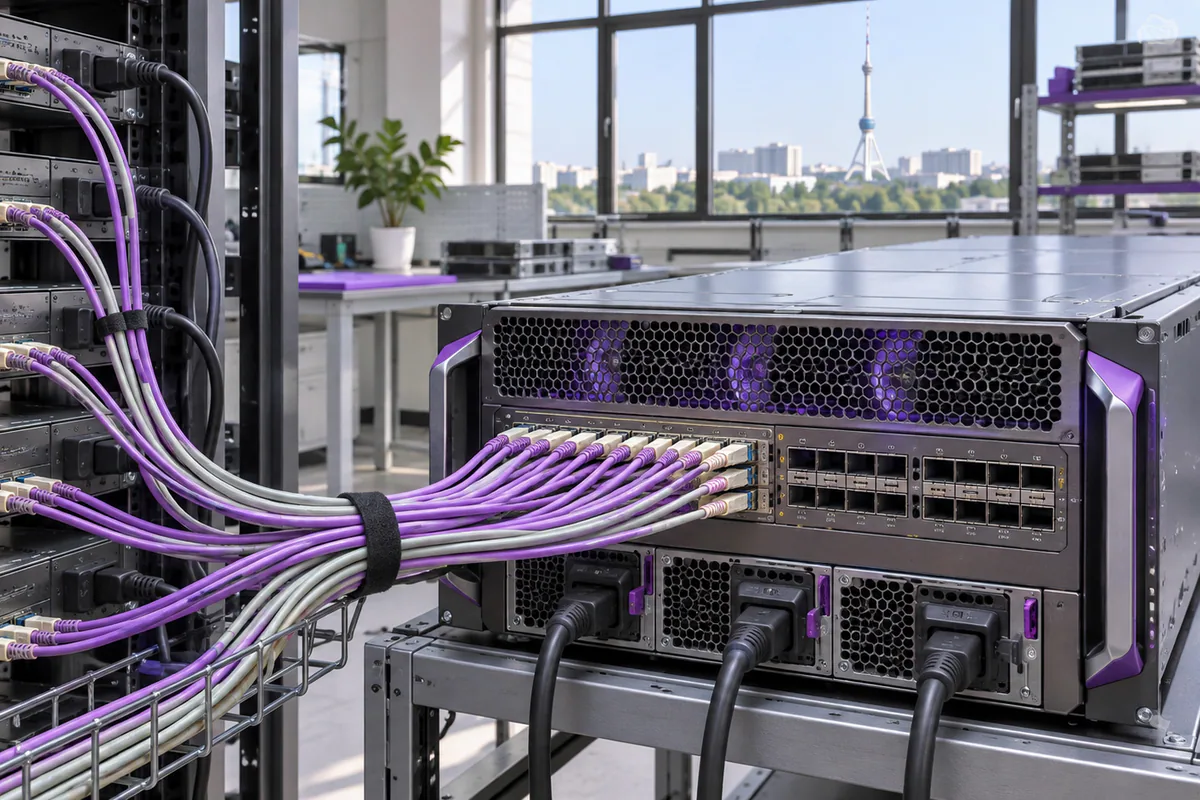
There is no reason to cancel Nvidia-based projects. The ecosystem is broad, the software tools are mature, and the existing team’s expertise is a valuable asset. But choosing a new server or long-term cloud capacity based solely on performance tests is a mistake.
Before making a decision, the procurement or project committee should check the following:
The decision rule is simple: if a business-critical part of the system cannot be restored in an alternative environment, it is not infrastructure—it is dependence. At a minimum, model files, configurations, data schemas, and API documentation must remain under your company’s control.
In some cases, buying GPUs is itself the wrong decision. If the use case has not yet been tested, demand is seasonal, or the team lacks an infrastructure specialist, run a small cloud pilot first. Buying a server too early turns an unproven idea into expensive hardware.
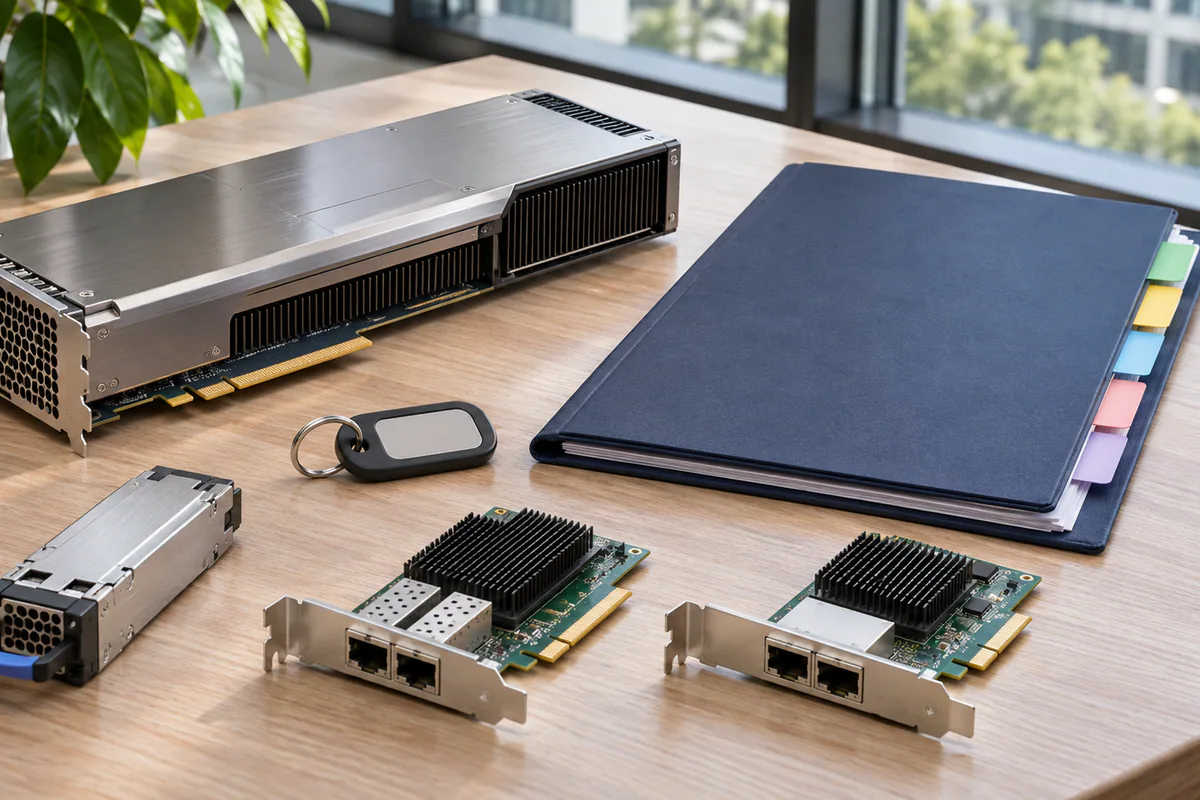
A change in leadership does not mean you need to rewrite your business strategy. Start by examining the process: where does a request from Telegram go, what data does the AI access, and what happens if CRM or 1C goes down? It should also be clear in advance which screen the operator will use to regain control. The model, cloud, and computing capacity should be chosen only after that.
During an AI architecture audit and pilot development, Celion defines API boundaries that prevent the system from becoming locked into a single provider. The migration plan, fallback scenario, and monitoring metrics are included in the technical requirements. For example, with an AI agent on Telegram, you should measure completed inquiries and cases correctly handed over to an operator—not GPU speed. Unanswered requests in the queue must also be tracked as a separate metric.
The decision is straightforward: if the existing project is working, continue it and document the exit plan. If the project has not yet started, build a pilot that can be moved to another environment before purchasing hardware.
Use Celion’s AI automation and systems integration service to audit your models, API integrations, and infrastructure dependencies. You will come away with a pilot plan that can be migrated to another environment.
Callback
Leave your details and we will contact you shortly.
Become a Partner
Leave your contact details and we will get back to you shortly.
Order Service
Leave your phone number and we will contact you shortly.