 Business Automation
CRM Automation and Follow-Up for Sales Teams in Uzbekistan
A practical guide for Uzbek sales teams: how to eliminate manual entry, stop losing leads, and build automated follow-up...
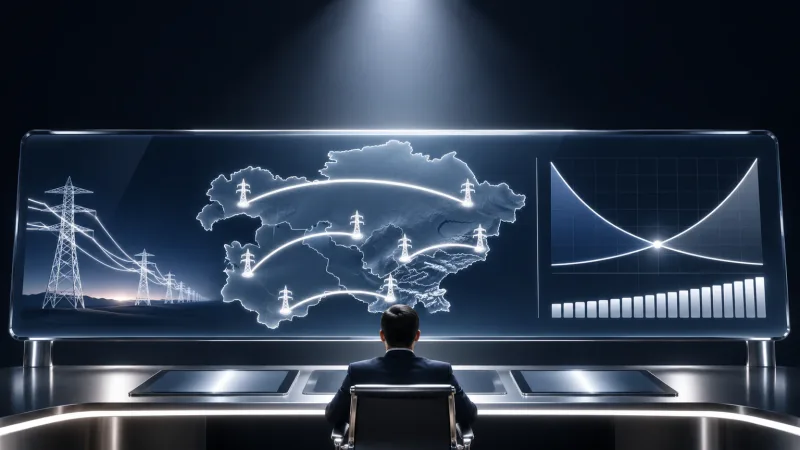
The Central Asia electricity trading platform is expected to organize day-ahead trading across the region. Countries will sell surplus capacity for the following day and cover projected shortages through imports. The plan, announced on November 12, 2026, involves Uzbekistan, Kazakhstan, Kyrgyzstan, and Tajikistan.
This is not yet a fully unified Central Asia electricity market. Trading rules, a settlement system, and a pilot environment are still being developed. It would be a mistake to view the project as a promise of cheap electricity. Its real practical value lies in anticipating shortages and allocating available capacity among countries in an orderly way.
The “Energy” Coordination and Dispatch Center has announced an international tender to develop the regional platform and launch a short-term pilot market. According to Pamir Inside, the selected contractor will prepare trading rules and contracts, build the settlement system, train specialists, and launch trading. The project has been given 18 months for development and implementation.
In practice, the process could work like this. A seller states how much electricity it can supply during specific hours of the following day and at what minimum price. A buyer submits the required volume and the price it is willing to pay. The platform matches compatible orders. But if the grid lacks available transmission capacity, the transaction will not be approved.
That means the cheapest offer will not always win. Transmission losses, congested lines, and the cost of maintaining system balance will also affect the price. For example, if the line carrying electricity into Uzbekistan is already at capacity, a cheap offer on the screen solves nothing by itself. The platform may reduce the volume or select another offer.
The final pricing algorithm, settlement currency, and collateral requirements have not yet been disclosed. It is also unclear who will be allowed to trade: only state operators, or eventually generators and large consumers as well? The market rules will decide. Interstate agreements must also clearly define the allocation of transmission capacity and responsibility for outstanding payments and emergency outages.
Uzbekistan electricity imports and exports are already connected to neighboring power systems. What makes the new platform different is that it would coordinate temporary surpluses and shortages through advance orders, shared rules, and verifiable settlements.
This does not mean the tariff paid by a business will match the platform price the next day. Tariff policy, grid service charges, and domestic contracts may remain separate. The initial impact will be visible at the system level: imports can be planned earlier, and it will become easier to secure additional electricity during shortage hours. The use of existing power plants can also be planned more accurately.
According to an estimate presented by the Eurasian Development Bank, better use of the region’s existing capacity could generate up to 120 million dollars in net economic benefits per year. This is not a guaranteed outcome for the platform covered by the tender. The figure supports a broader point: the problem cannot be solved simply by building new power plants.
For a business operating cold storage, a continuous furnace, or server equipment, a one-hour outage may cost more than a small difference in electricity prices. That is why asking “when will electricity become cheaper?” is not enough to evaluate the platform. The right test is different: will it reduce the risk of production stoppages and the cost of backup power?
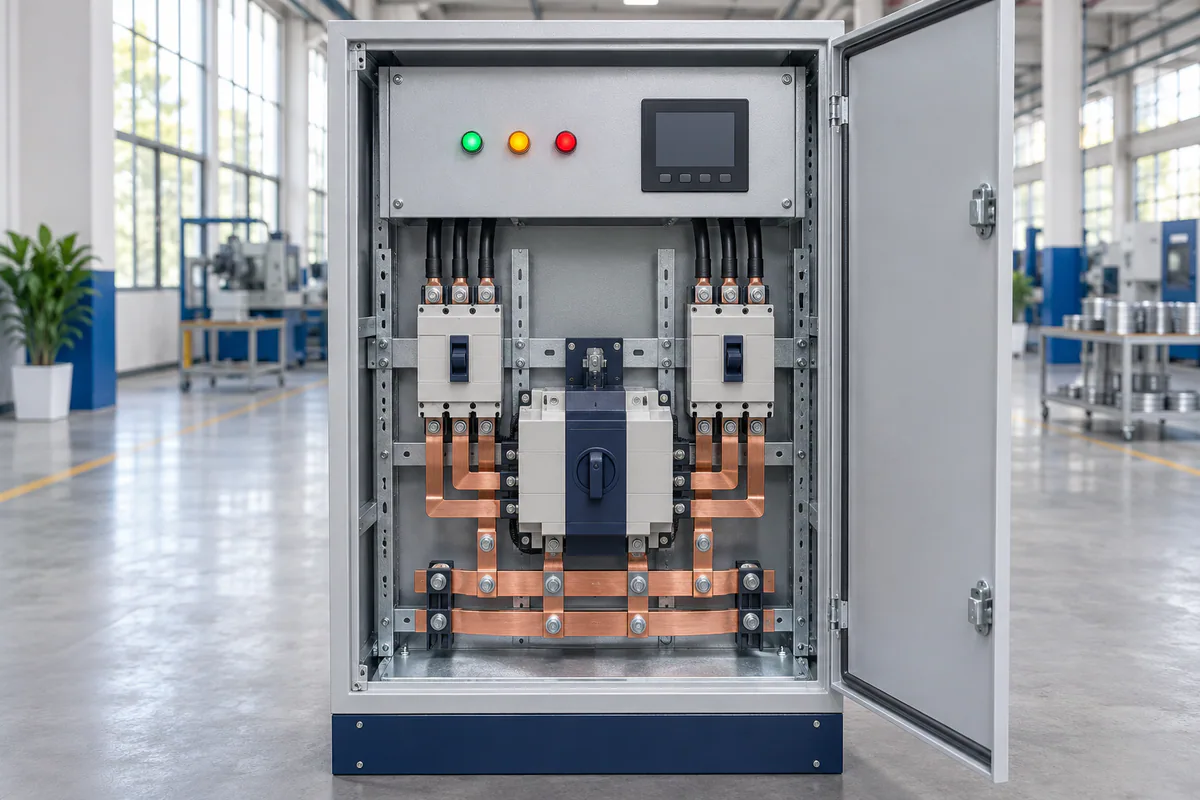
For many businesses, the hidden problem is not the price of electricity. It is the lack of reliable consumption data. The meter shows the total volume, but the production system does not reveal which shift or piece of equipment caused consumption to rise. By the time the invoice reaches 1C, it is too late to investigate the cause.
Companies should start three things now to prepare for changes in the electricity market:
A simple rule is enough when evaluating a purchasing or import option: if the platform price + transmission cost + losses + currency and guarantee costs is lower than the cost of additional local generation and the financial impact of outage risk, an external purchase may be worth considering. Each business should adapt the formula to its own contract and technical operating conditions.
Do not rush to build a dedicated module for trading electricity on the market. The participants, API requirements, and settlement rules have not yet been announced. Clean up internal data first. Otherwise, the new platform will become just another screen that transmits old, inaccurate figures faster.
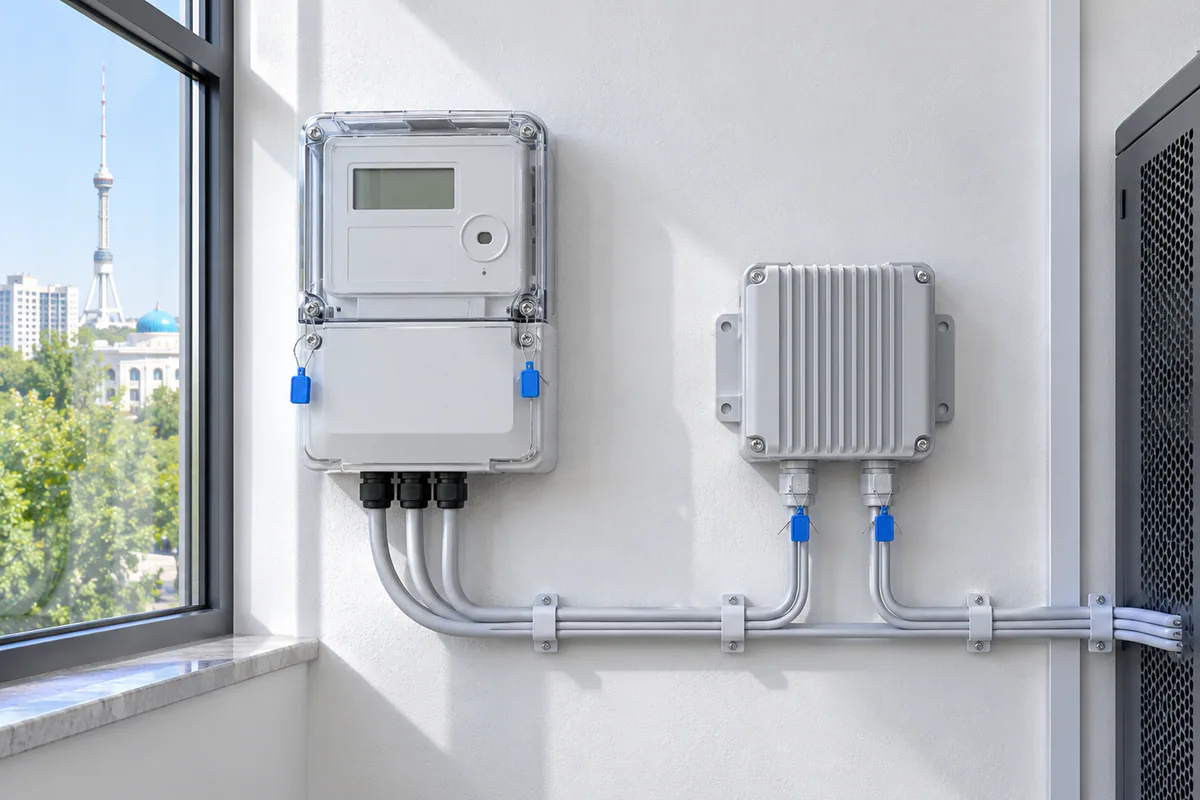
Once the regional electricity trading platform launches, a company’s task will not be limited to watching a trading screen. Consumption data from meters or production systems must be linked to financial plans and order costs. Maintenance schedules can also be based on the same data.
Celion designs data flows for projects like these. Where an API is available, we transfer consumption and pricing data into the ERP. Where there is no API, we build approved file-exchange processes and validation rules. In Odoo or another management system, a dashboard can show energy costs by production area, equipment, shift, and product.
The work should begin with one specific question: what decision does the manager make, and what data is that decision based on? Once the answer is clear, the integration fields, permissions, and alerts can be defined. Tying the technical specification to the interface of a platform that does not yet exist would be a mistake. Building it around the company’s measurable energy processes will reduce the need for later rework.
Celion’s ERP integration and business automation services connect consumption, cost, and production data in a single management workflow. To get started, simply map the data path from the meter to the financial report.
Callback
Leave your details and we will contact you shortly.
Become a Partner
Leave your contact details and we will get back to you shortly.
Order Service
Leave your phone number and we will contact you shortly.