 Business Automation
CRM Automation and Follow-Up for Sales Teams in Uzbekistan
A practical guide for Uzbek sales teams: how to eliminate manual entry, stop losing leads, and build automated follow-up...
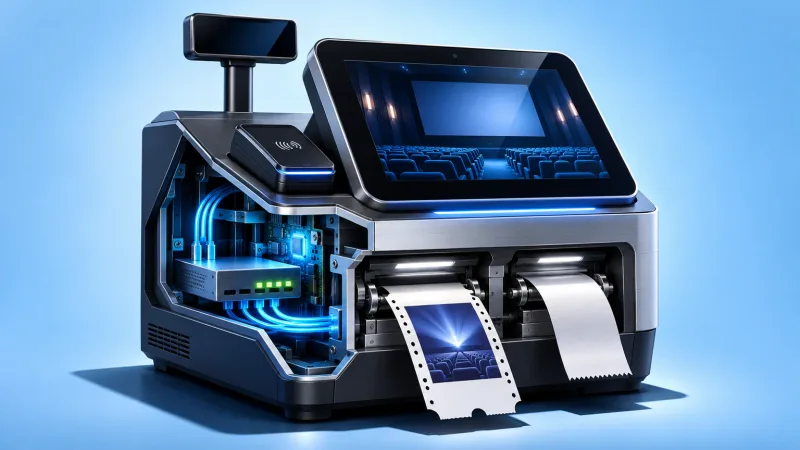
Cinemas in Uzbekistan need an accounting system that links each screening, ticket, payment, and fiscal receipt in a single chain. Under Decree PF-250, signed on November 21, 2026, a unified system for exchanging cinema data in real time is scheduled to launch by January 1, 2028.
The national API format, authentication method, and rules for transmitting data during internet outages have not yet been published. For that reason, we do not recommend rushing to buy a new cash register in the hope that it will meet an unknown standard. First, put the existing sales chain in order. Then prepare an integration layer for connecting to the external system.
Decree PF-250 was signed on November 21, 2026, and entered into force on November 23. According to Spot’s report, the unified information system will automatically exchange data on screenings, tickets sold, and revenue in real time.
“Real time” here does not mean a fast-refreshing chart on the director’s dashboard. It means sending a sales event to the government system: when the ticket was issued, which screening and seat it belongs to, how much was paid, whether a fiscal receipt was generated, and whether a refund occurred. The dashboard may work perfectly well, but if the events are not linked, verifying the report becomes difficult.
There is still an open question about the dates. The earlier PF-103 document specified an earlier stage for the cinema platform, while reports on PF-250 cite January 1, 2028. These may be separate phases. The exact procedure will become clear in the implementation documents. That is why a contract clause stating “compliant with the new requirements” is not enough. The operator should obtain written clarification on which API and which approved interface will be used.
Fiscalization already applies to cinemas: sales must go through an online cash register, virtual cash register, or relevant technology included in the State Registry. The new cinema reporting system does not replace this requirement. The transaction in the ticketing system and the receipt in the fiscal system will need to corroborate each other.
The main hidden cost is not the software subscription. It is the integration. This is the layer that correctly records refunds, screening cancellations, and repeated transmissions. For example, if a sales event is sent again after the internet connection is restored, the national system must not treat it as a second ticket. To prevent this, every event is assigned an immutable identifier, allowing the system to recognize duplicate records.
The vendor’s registry status should also be checked regularly. A November 7, 2026 notice from the Tax Committee stated that E-POS had been removed from the registry and that nearly 11 thousand taxpayers were advised to switch to another solution. In other words, installing a system once and then leaving it unchecked is risky.
The volume of online sales shows the limits of manual reconciliation. In information Afisha provided to Spot, the company reported that cinema ticket sales on its platform exceeded 100 thousand per month in August 2026. Operators accepting reservations through Telegram or a website need the same consistent process: a reservation should not remain in a separate spreadsheet. Once the ticket is issued, it must enter the unified order chain.

You can wait for the final technical requirements. There is no need to wait before organizing your data. Start with the following field map:
Testing should not be limited to one day of ordinary sales. A successful sale, partial refund, canceled screening, internet outage, and repeated transmission of the same event should each be tested separately. Seeing the operation completed on the cashier’s screen is not enough. The ticket database, payment record, and fiscal record must all show the same result.
A simple control formula works: paid sales in the ticketing system minus refunds minus net revenue according to fiscal receipts. If the result is not zero, the discrepancy goes into a separate queue. Looking for that discrepancy in Excel at the end of the month is too late. It should be visible on the day the transaction occurs.
Ask the vendor for API documentation, the export format, log records, and the post-outage synchronization procedure. Add a clear safeguard to the contract: if the solution is removed from the registry or the mandatory interface changes, the vendor must help export the data and support the migration.
There is no need to build a custom system for every cinema. If a single venue uses a ready-made solution from the registry and the vendor confirms in writing that it will support the new government interface, building a platform from scratch may be an unnecessary expense. Excel may look like a cheap alternative, but it cannot reliably manage seat occupancy, receipt status, or retransmitted events.
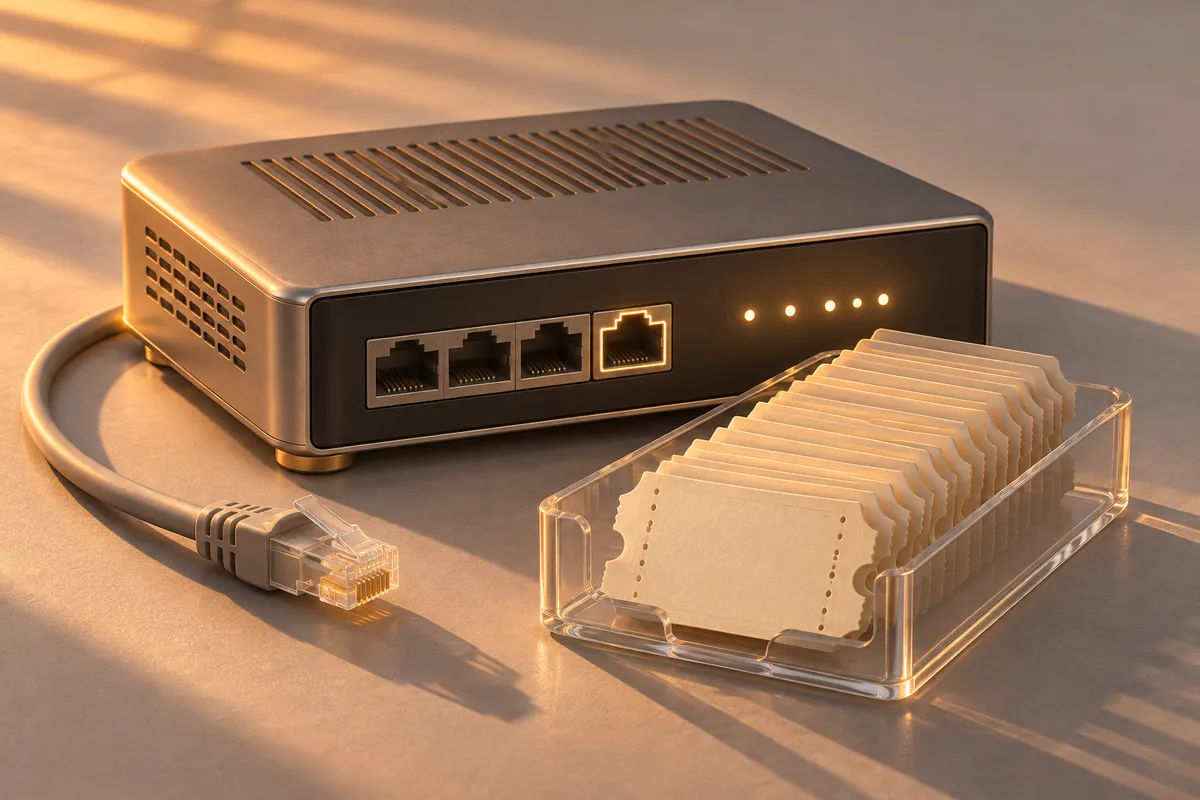
Celion first maps the current ticket sales flow: from the website or box office through payment, fiscal receipt generation, and the accounting entry. It then determines which systems should remain, where APIs are missing, and which events should be placed in a separate queue.
The solution can consist of an API gateway, an event queue, and a reconciliation dashboard. The gateway aligns the formats used by the cinema system and the external platform. The queue stores data during internet outages. The dashboard shows the responsible employee any discrepancy between a ticket and its fiscal receipt. If necessary, final revenue can be linked to the accounting process in Odoo or 1C.
Until a public technical specification is available, it would be wrong to recommend any product as certified under PF-250. The sensible decision now is to build an adaptable architecture. Then, if the external API changes, the cash register and ticket database will not need to be rewritten from scratch.
Celion provides system audits, API integration, and real-time reconciliation dashboards for cinemas. The first check is simple: are the ticket, payment, and fiscal receipt IDs currently linked? If not, that is where preparation should begin.
Callback
Leave your details and we will contact you shortly.
Become a Partner
Leave your contact details and we will get back to you shortly.
Order Service
Leave your phone number and we will contact you shortly.