 Web & Software Development
How Celion Builds a Website: From First Message to Launch
Celion builds websites not as decoration, but for a business purpose: we map the customer journey, add security from the...
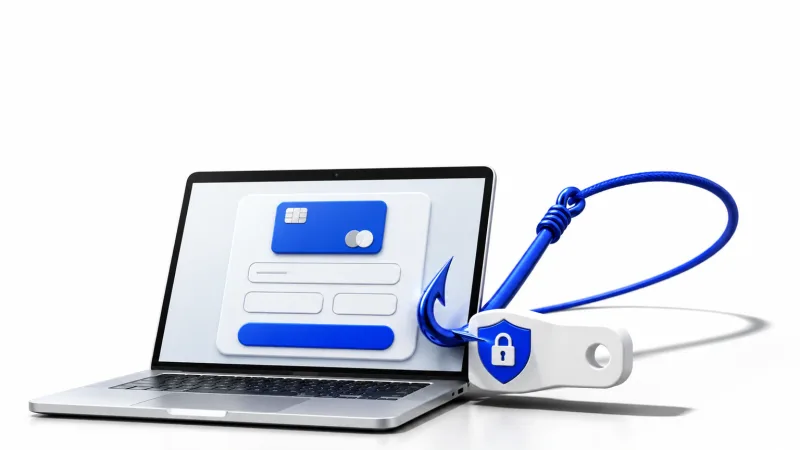
On November 17, 2026, UzDaily reported that Kaspersky systems had blocked around 2.1 million attempts to access phishing websites in Uzbekistan. For businesses, the answer is not another warning email. Finance, executive, and administrator accounts need phishing-resistant MFA, changes to payment details must be verified through a separate channel, and the incident response plan must be tested in practice.
This figure does not represent the number of victims. But it does show that attackers are actively using fake payment pages, Telegram accounts, and compromised business correspondence to gain access.
According to UzDaily, Kaspersky products stopped nearly 2.1 million attempts by users in Uzbekistan to access phishing resources between January and September 2026. The report does not state how many devices were protected or what share of the attempts were repeat visits.
So this does not mean 2.1 million victims, emails sent to companies, or unique malicious websites. One employee may open the same link more than once. And an attempt made from a device without the security software installed would not appear in these figures at all.
This number should be used to set priorities, not to cause panic. Phishing is not just an IT problem. A stolen password, a hijacked Telegram session, or weak verification in the finance department can put an attacker directly inside a business process.
Executives should not stop at asking, “How many attacks did we face?” Once an employee opens a fake link, how many more barriers must the attacker overcome before they can transfer money, read correspondence, or gain control of the website? The quality of the company’s defenses lies in the answer to that question.
In an incident documented by UZCERT, a finance employee opened a .txz file sent as an invoice. The attackers obtained login credentials, monitored correspondence, and then replaced the legitimate bank details with fraudulent ones.
The malicious file was the entry point. The bigger mistake was accepting the change in payment details based solely on the email. If the accountant does not call the supplier using the number already on file, or if a second employee does not approve the payment, the business process will fail to stop an attack that has bypassed the technical defenses.
In Uzbekistan, Telegram is widely used for business correspondence, file sharing, and instructions from management. That is why a message saying “pay urgently,” “use this new card,” or “install this APK file” may look convincing when it comes from a stolen account and appears alongside a familiar name and previous conversations.
According to the Central Bank, losses from fraud involving malicious mobile applications reached 79.3 billion soums between the beginning of 2026 and October. Not all of this amount is attributable to phishing. But it clearly shows the financial consequences that can follow from a malicious link, a fake application, or a compromised account.
Employees need training, but relying on training alone is a mistake. A tired employee or someone in a hurry will eventually click a link. The system must prevent that single mistake from ending in financial loss.
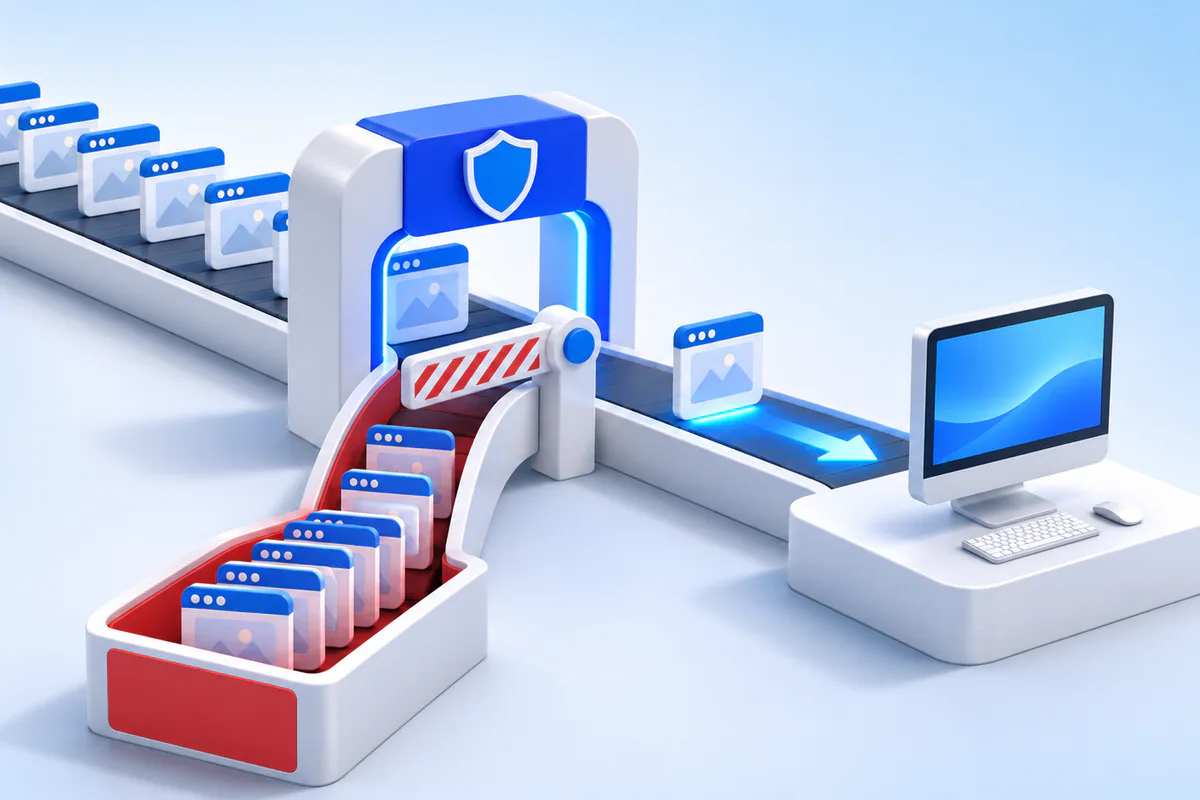
Start by securing the accounts that provide access to money, customer data, and system settings. Executives, finance employees, domain administrators, CMS managers, and 1C or Odoo administrators should not rely solely on standard SMS codes.
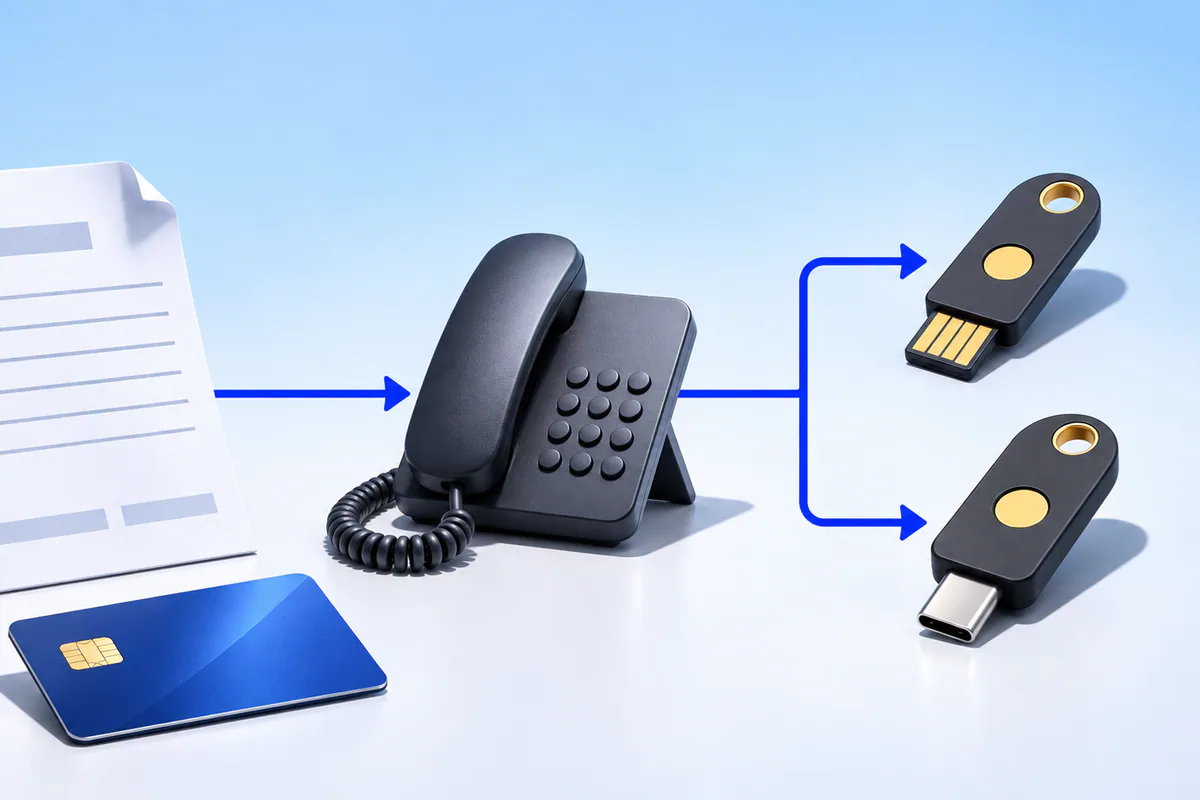
The rule for changes to payment details is simple: new payment details, verification through the existing contact channel, second approval, then payment. If any link in this chain is missing, the money is not transferred.
This does not require immediately building a new custom platform. If existing email, accounts, or devices are misconfigured, fix the configuration first. Software development will only automate a flawed process.
Phishing protection does not end with the company website. A contact form on the site sends data to the CRM, while the CMS administrator can access content and settings. A single exposed API key may give an attacker even more privileges than a standard password.
In projects like these, Celion first maps the access paths: who can enter the administrator panel, where secret keys are stored, where files submitted through forms are sent, and which log records suspicious activity. Unnecessary privileges can then be removed, while MFA, secure sessions, backups, and monitoring can be built into the technical solution.
A website that accepts payments should not store card details on its own server. The customer is redirected to a page controlled by the bank or payment provider. The returned payment status is then confirmed through a verified server-to-server request. A “successful” message displayed in the browser is not proof of payment.
In Telegram bot, CRM, and ERP integrations, secret tokens must not be exposed in the website’s code. Each service should receive only the permissions required for its task, and important changes should be logged. However, if the goal is simply to train employees or manage corporate devices, custom web development is not the first choice. Those needs should be addressed through IT security policies and established security tools.
Run one test today: if a finance employee receives a message saying that a supplier’s payment details have changed, do they know whom to call, who must approve the change, and when the payment should be stopped? If the answer is unclear, document that process before buying another security product.
Through secure web development and integration audits, Celion helps identify vulnerable access paths between your website, CMS, API, Telegram bot, and CRM or ERP. Start the review with the process that leads to your most valuable asset.
Callback
Leave your details and we will contact you shortly.
Become a Partner
Leave your contact details and we will get back to you shortly.
Order Service
Leave your phone number and we will contact you shortly.