 Business Automation
CRM Automation and Follow-Up for Sales Teams in Uzbekistan
A practical guide for Uzbek sales teams: how to eliminate manual entry, stop losing leads, and build automated follow-up...

The short answer to how to build a secure call center in Uzbekistan is this: manage employee identity, work scripts, access rights, VoIP, and call recordings within a single chain of control. Choosing a server is only one part of the job. On 16 November 2026, Gazeta.uz reported that covert call centers had been uncovered in Tashkent, while on 20 November 2026, UzNews reported on another illegal operation.
Working telephony does not make a call center secure. If an operator copies data from the CRM or communicates with customers through a personal Telegram account, even expensive security tools will not close that gap.
The Gazeta.uz report refers not to Mirzo Ulugbek District, but specifically to centers operating from buildings in Mirobod District. The suspected illegal cryptoasset turnover was stated as 576 thousand dollars. In another case covered by UzNews, transactions totaling 203 134 USDT were reportedly carried out through a covert center.
These cases clearly show where risks can emerge. Through communication channels, a call center employee may gain influence over customer data and money. The risk, therefore, is not limited to data theft. A deceptive script, a false identity, an uncontrolled crypto wallet, or a personal messenger account can expose a company to legal and reputational trouble.
Verify each employee's identity and grounds for employment. Use only approved scripts and block unauthorized payment instructions. These are part of information security too. Whether an operator works in Uzbek, Russian, or English, the same verification and control rules should apply.
The dates in the sources are presented as future dates within the supplied research context. These cases should therefore be treated as published reports, not as court-confirmed judgments. The dates and status of each case should be checked again before publication.
The cloud is not automatically secure, and an on-premises server is not automatically risky. Nor is the opposite true. The choice depends on who will manage the system, who will verify updates and backups, and who will take responsibility during an incident.
If there is no in-house infrastructure team, a managed cloud platform is often the right choice. Responsibilities for updates and monitoring can be clearly defined in the service agreement. On-premises infrastructure may be chosen when data location requirements or closed integration with internal systems are necessary. In that case, a qualified administrator, a backup environment, and regular recovery testing are essential.
Before designing call center information security, map the data. Where does the customer's phone number come from? Which CRM field does it enter? What does the operator see on screen, where is the recording stored, and who can listen to it? Without answers to these questions, security tools are purchased blindly.
We do not recommend keeping call recordings indefinitely simply because they “might be useful someday.” Confirm the retention period with legal counsel based on a clear business purpose, the agreement with the customer, and applicable requirements. Recordings must be stored in an encrypted, controlled repository. Encryption keys should be kept separately, and once the retention period expires, recordings must also be deleted from backups.
If inquiry volumes are seasonal and the company cannot manage security continuously, building an in-house call center may be the wrong decision. In that situation, an external service with verified access controls, audit logs, and data-handling terms may prove more secure.
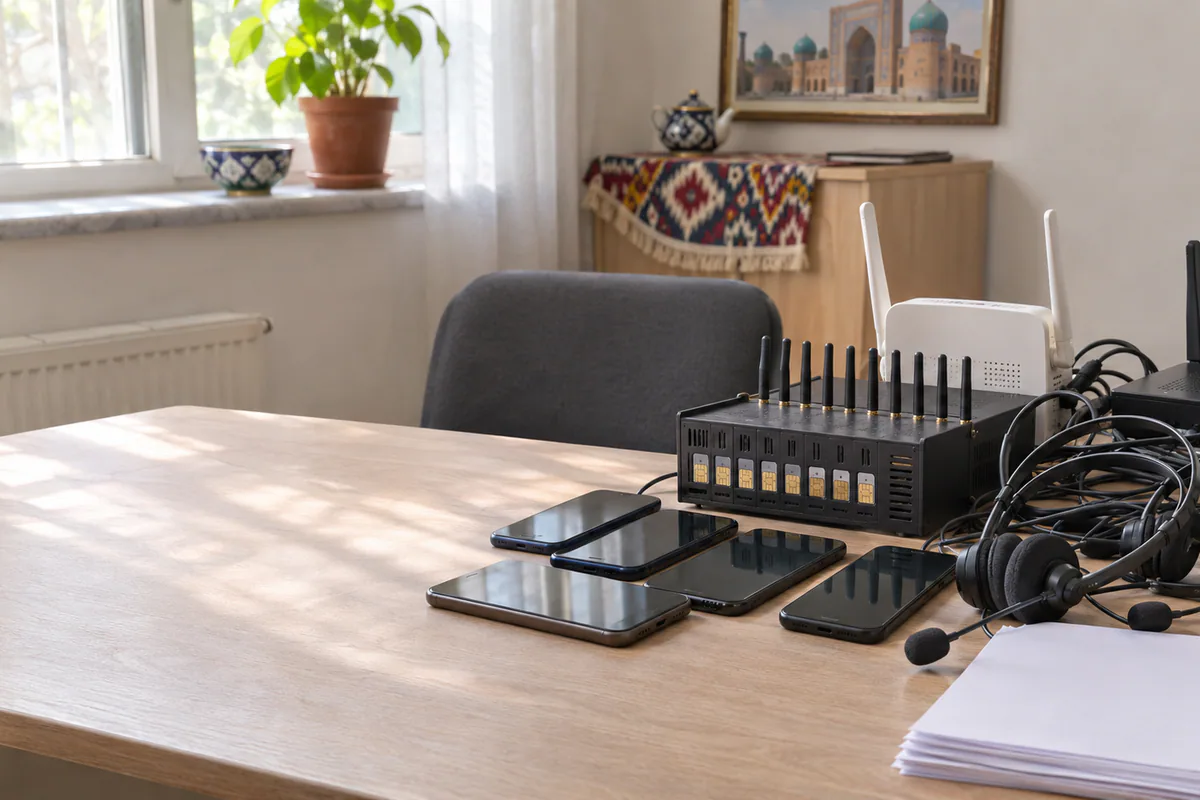
Secure VoIP for call centers should protect signaling with TLS and voice traffic with SRTP. Give every operator an individual SIP account. Shared passwords, connections from unknown addresses, and unrestricted international calling can sharply increase the cost of fraud.
Limit operator access to customer data according to job responsibilities. A standard operator does not need full passport details, the ability to export every order, or permission to listen to any recording. Set separate permissions for viewing data, listening to recordings, and downloading files.
Trying to cut the operator's average handling time too aggressively creates hidden costs. Such a KPI may encourage employees to skip identity checks or mandatory warning messages. Evaluate speed alongside resolution quality, complaints, and unauthorized access incidents.
Do not let the incident response plan remain on paper. Who terminates a session when suspicious access is detected? Who revokes credentials, who preserves the logs, and who decides whether affected customers should be notified? These responsibilities must be assigned in advance. Recovery tests and attack-scenario exercises should then be conducted.
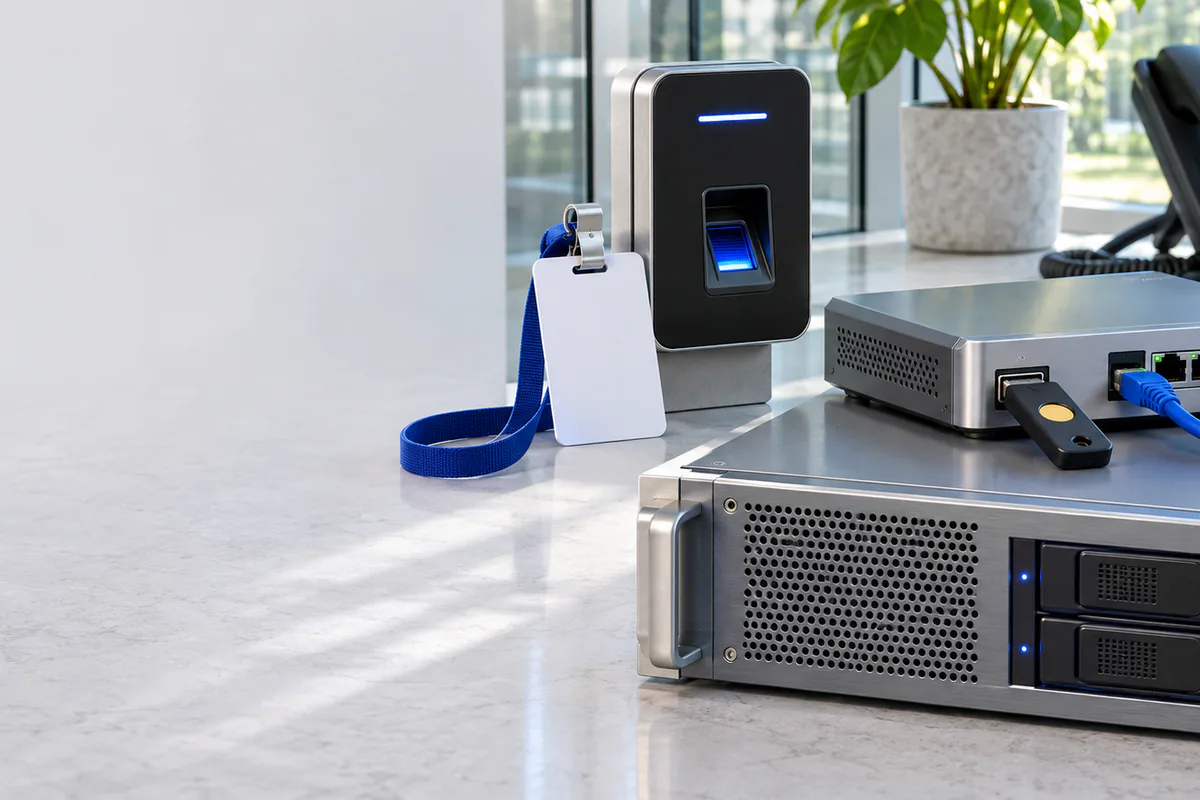
Celion begins projects like this by mapping call and data flows. First, we prepare a threat model, an operator access matrix, a recording retention policy, and an incident response procedure. Only then do we select the platform and infrastructure.
At the technical layer, the VoIP platform can be integrated with the CRM, inquiries from the official Telegram channel can be routed into a shared queue, and audit logging can be enabled for every action. Operators see only the fields they need for their tasks in the customer record. Managers separately monitor exports, recording access, and permission changes.
The launch criteria should go beyond checking that “the call went through.” Tests should confirm that access from unknown devices is blocked, permissions are revoked immediately when an employee leaves, deleted recordings do not remain in backups forever, and the queue is restored after an outage. Acceptance testing should be completed against these scenarios.
Celion provides call center architecture, CRM and VoIP integration, and access control automation services. The first step is straightforward: have your operators, channels, data, and permissions reviewed on a single map.
Callback
Leave your details and we will contact you shortly.
Become a Partner
Leave your contact details and we will get back to you shortly.
Order Service
Leave your phone number and we will contact you shortly.