 Web & Software Development
How Celion Builds a Website: From First Message to Launch
Celion builds websites not as decoration, but for a business purpose: we map the customer journey, add security from the...
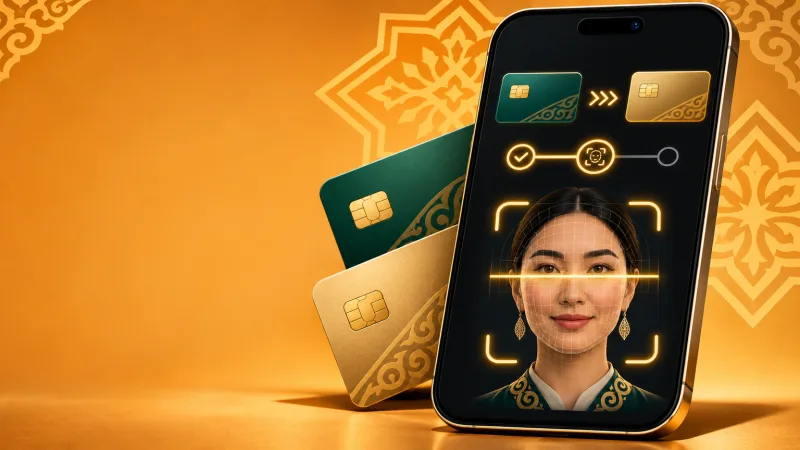
P2P transfer rules in Uzbekistan changed on November 16, 2026. Each bank or payment organization now sets its own limit for transfers that can be completed without verification. Users signing in to a financial app from a new device must undergo biometric identification.
These changes also affect online stores, mobile apps, and businesses that accept orders through Telegram and receive card-to-card payments. Our position is clear: relying on P2P transfers as a business’s complete payment system is risky and inconvenient.
A P2P transfer is money sent from one individual’s bank card to another individual’s bank card. With a standard bank transfer, funds may be sent using an account number, bank details, or a business account. This creates a clearer record of the payment purpose and recipient.
According to Kun.uz, from November 16, 2026, banks and payment organizations may set their own maximum amount for P2P transfers completed without an OTP code or other verification. If a transfer exceeds that threshold, additional confirmation is required.
No single UZS amount has been announced for P2P transfer limits in Uzbekistan. An amount processed without verification in one app may require an OTP or another check in a different app. If fraud occurs during a transfer completed without verification, liability may fall on the bank or payment organization. P2P transfers through websites have also reportedly been prohibited.
According to the requirements covered by Podrobno.uz, biometric identification is required when signing in to a mobile financial app from a new device. The ownership of the phone number is also checked during registration. Banks and payment organizations are responsible for meeting these requirements, but users will encounter the additional checks on their own devices.
Many small businesses send a card number through Telegram and ask the customer for a payment screenshot. But a screenshot does not prove that the money arrived. It may have been edited, may be outdated, or may show a transaction that has not yet been completed.
The new requirements add several more potential failure points to this process. The customer starts a transfer, the app requests additional confirmation, and the transaction stalls at the biometric verification or OTP stage. The seller waits for a screenshot, the order remains open in the CRM, and the operator manually checks the banking app.
That is why we do not recommend making P2P transfers the primary payment method for an online store. Businesses should use a payment provider, acquiring service, or trackable payment link. This allows the website or CRM to rely on the provider’s final status rather than the customer’s message saying, “I paid.”
An attractive payment page is not enough. If the provider’s response does not automatically update the order status, the operator still has to check everything manually. The risk is not in the design. It appears when the payment, order, and accounting record no longer match.
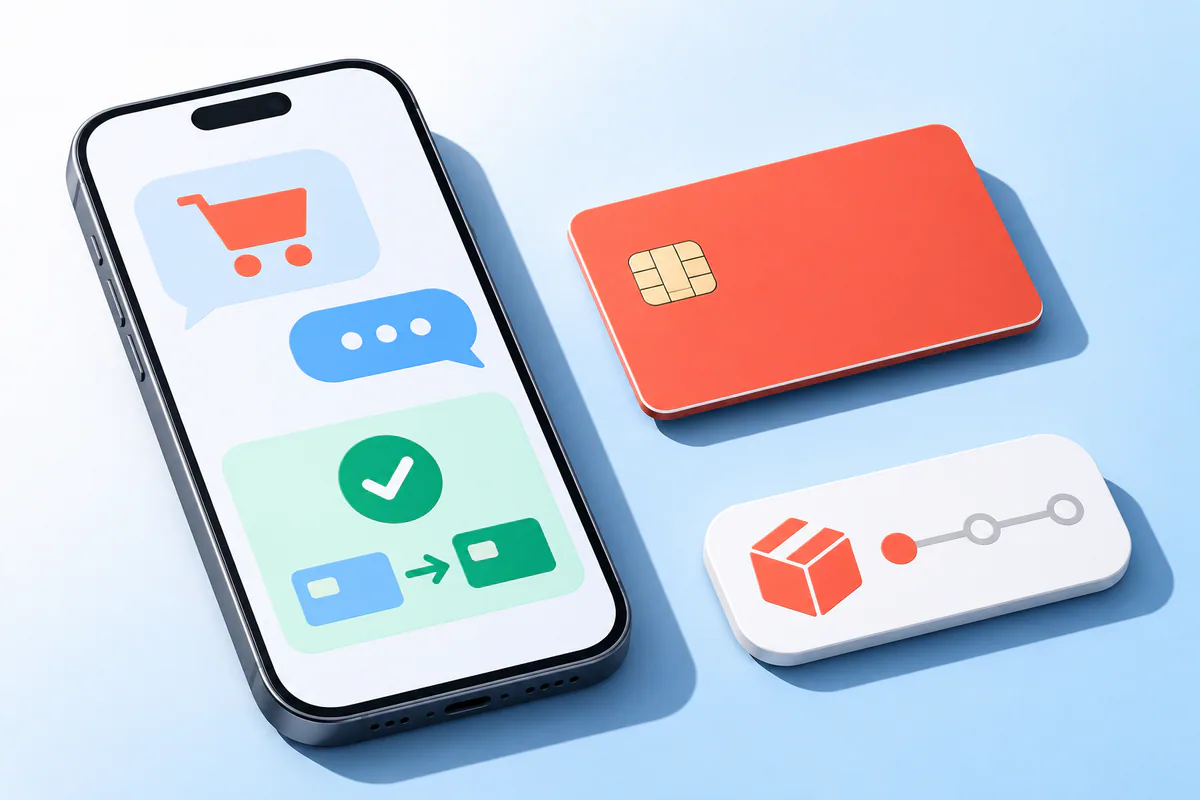
The first step is not to order a new biometric module. Start by mapping where the money enters, how the system confirms payment, and which screen the user sees if verification fails.
If biometric verification fails, login from the new device may not be completed. In that case, the user may also be unable to proceed with the P2P transaction. The sources do not specify an alternative method, a biometric data retention period, or a single recovery process for all apps. Ask the service provider for the exact procedure.
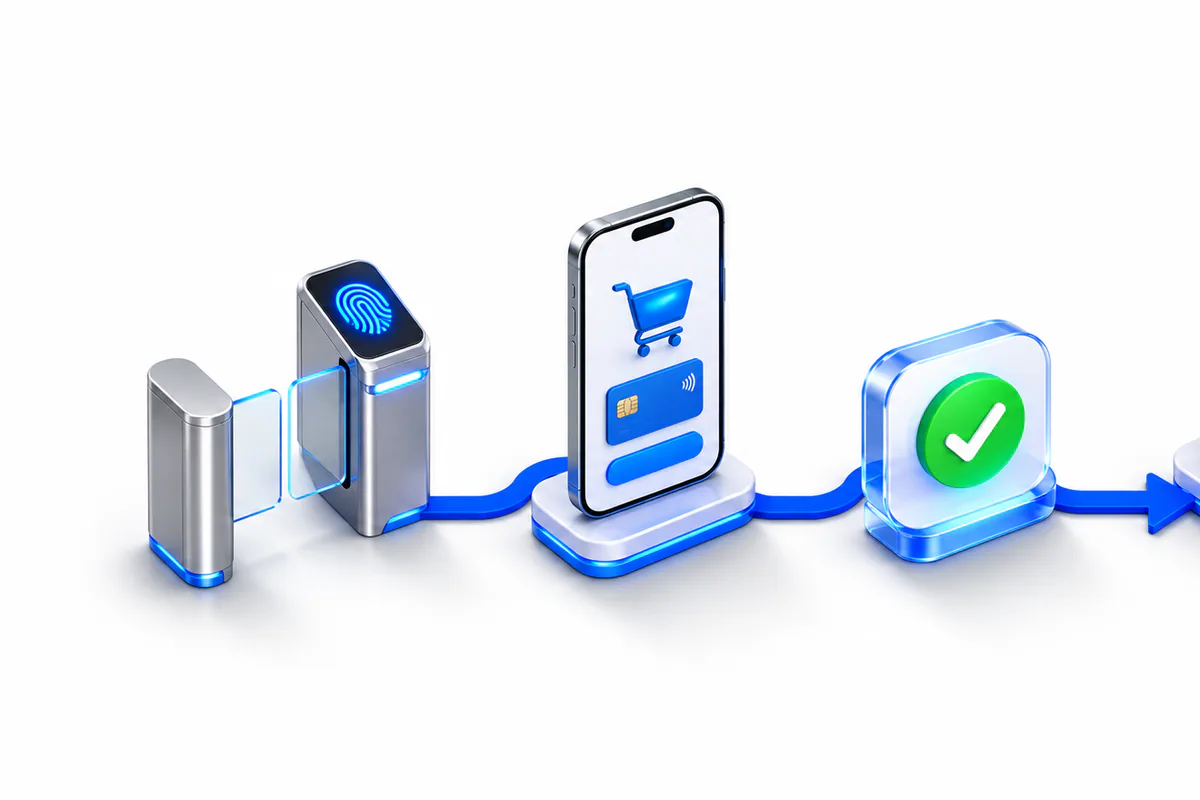
Celion does not set banking rules. But we can review the technical flow between a business’s website or mobile app, its CRM, and its payment provider. During an audit, we map the journey from the payment button to the provider’s response, including order statuses, error screens, and notifications sent to operators.
The work covers API integration, automatic payment status updates, retry scenarios, audit logs, and user-facing messages. If biometric identification is required, we do not build a separate, unverified module. We integrate with a mechanism approved by the bank or the relevant authorized service.
If a company’s website has no payment function, customer account, or financial app login, a complete system rebuild may not be necessary. Updating the payment instructions, links, and operator guidelines may be enough. The decision rule is simple: if the system checks payment status automatically, test the integration. If it relies only on screenshots, rebuild the flow.
Celion’s web and mobile app integration audit identifies breakdowns involving P2P touchpoints, payment statuses, and bank APIs. If your website or app relies on card payment screenshots, we first connect the process to the payment provider’s confirmation.
Callback
Leave your details and we will contact you shortly.
Become a Partner
Leave your contact details and we will get back to you shortly.
Order Service
Leave your phone number and we will contact you shortly.